Introduction
Imagine a great doctor with an empty waiting room.
The doctor is skilled. The care is excellent. But patients do not know the practice exists.
This is the problem that healthcare marketing solves.
Healthcare marketing is how medical practices, hospitals, and clinics connect with patients. It builds awareness. It builds trust. And it brings in new patients consistently.
In today’s world, patients search online before they book an appointment. They read reviews. They visit websites. They compare options. If your practice is not visible online, you are losing patients every single day.
This guide will show you exactly how healthcare marketing works, why it matters, and how to do it right.
What Is Healthcare Marketing?
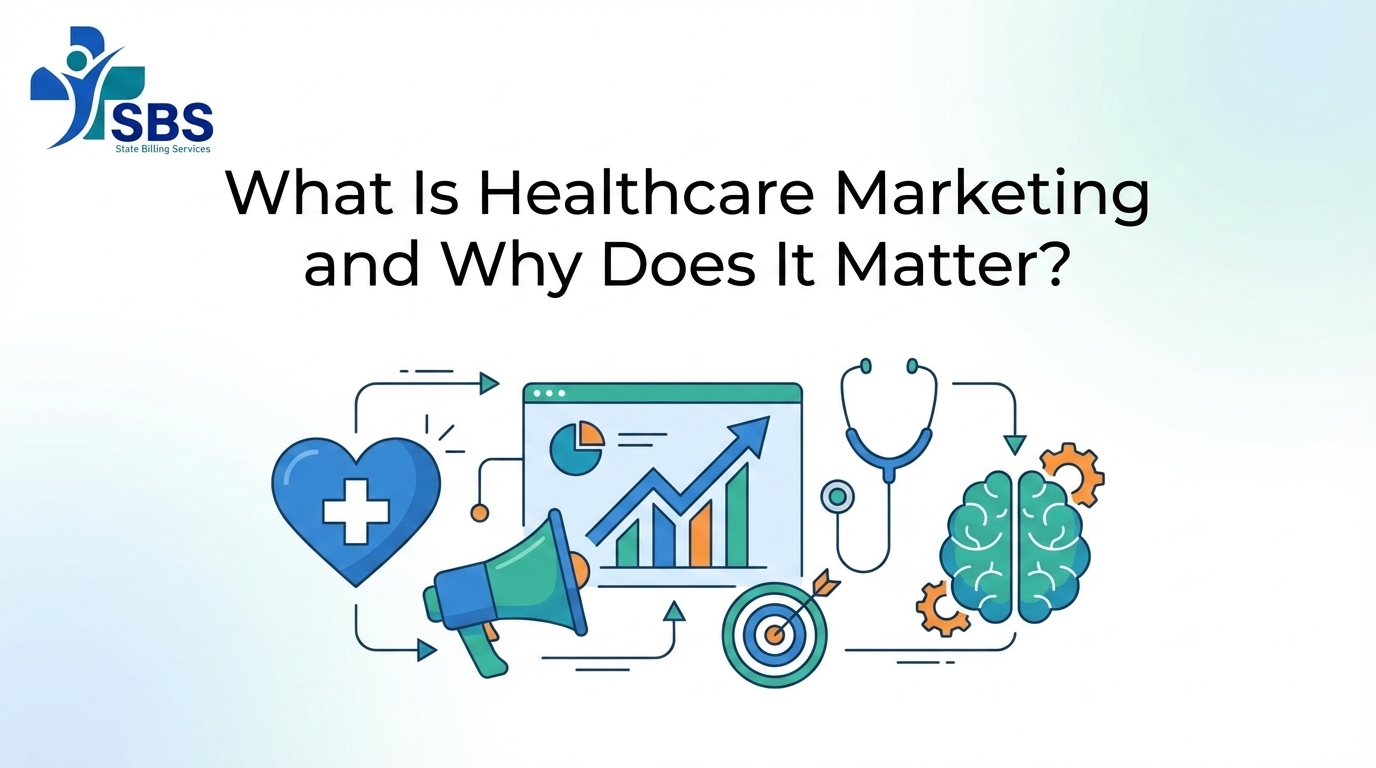
Healthcare marketing is the process of promoting medical services to current and potential patients.
It includes everything from your website to your social media to your Google listing. Healthcare marketing is not just about advertising. It is about building relationships with patients before they even walk through your door.
Good healthcare marketing does three things:
- It makes your practice easy to find
- It builds trust with potential patients
- It converts website visitors into booked appointments
Without healthcare marketing, even the best medical practice can struggle to grow.
Why Healthcare Marketing Matters More Than Ever
The healthcare industry is competitive. There are thousands of doctors, clinics, and hospitals competing for the same patients.
Here is a fact worth knowing. According to Google Health, 77% of patients use a search engine before booking a healthcare appointment. That means if you are not showing up in search results, you are invisible to most of your potential patients.
Healthcare marketing gives you the visibility you need. It puts your practice in front of the right people at the right time.
The Core Pillars of Healthcare Marketing
Effective healthcare marketing is built on several key pillars. Each one works together to grow your patient base and build your reputation.
1. Your Website
Your website is the foundation of your healthcare marketing strategy.
Patients visit your website to learn about your services. They check your location. They look at your team. They decide if they trust you.
A good healthcare marketing website should be:
- Fast and mobile-friendly
- Easy to navigate
- Clear about your services and location
- Have a simple way to book an appointment
If your website is slow or outdated, it hurts your healthcare marketing efforts even if everything else is done right.
2. Search Engine Optimization (SEO)
SEO is how your practice shows up on Google.
When someone searches “family doctor near me” or “urgent care clinic,” SEO decides who shows up first. Healthcare marketing without SEO is like having a billboard in a dark room. No one sees it.
Good SEO for healthcare marketing includes:
- Using the right keywords on your website
- Writing helpful blog posts that answer patient questions
- Getting listed on Google Business Profile
- Earning positive online reviews
SEO takes time, but it is one of the most powerful long-term healthcare marketing strategies available.
3. Content Marketing
Content marketing means creating helpful information for your patients.
Blog posts, videos, FAQs, and patient guides are all part of healthcare marketing content. When you publish useful content, patients trust you more. They also find you more easily on Google.
For example, a clinic that publishes a blog post about “How to manage diabetes at home” will attract patients searching for that topic. This is smart, cost-effective healthcare marketing.
4. Social Media
Social media is a powerful part of modern healthcare marketing.
Platforms like Facebook, Instagram, and LinkedIn allow you to reach patients directly. You can share health tips, introduce your team, and respond to patient questions.
Social media healthcare marketing also helps with brand awareness. When patients see your practice regularly in their feed, they remember you when they need care.
5. Online Reviews and Reputation Management
Reviews are one of the most trusted forms of healthcare marketing.
Patients trust other patients. A practice with 100 five-star reviews will attract more patients than one with no reviews at all.
Part of your healthcare marketing plan should include:
- Asking satisfied patients to leave reviews
- Responding to all reviews, both positive and negative
- Monitoring your reputation on Google, Yelp, and Healthgrades
Your online reputation is your digital word-of-mouth. Treat it as a core part of healthcare marketing.
Healthcare Marketing and Patient Education
One of the most overlooked parts of healthcare marketing is patient education.
When you teach patients something useful, they trust you. Trust leads to loyalty. Loyal patients come back and refer others.
Healthcare marketing built around education includes:
- Blog posts that explain medical conditions in simple language
- Email newsletters with health tips
- Videos showing what to expect during a procedure
- FAQs that answer common patient concerns
Patient education is not just good medicine. It is excellent healthcare marketing.
Digital vs. Traditional Healthcare Marketing
Healthcare marketing comes in two forms: digital and traditional.
Traditional healthcare marketing includes:
- Print ads in local newspapers
- Brochures and flyers
- Billboards
- Radio or TV commercials
- Community events
Digital healthcare marketing includes:
- Website SEO
- Social media
- Email marketing
- Online ads (Google Ads, Facebook Ads)
- Content marketing and blogging
Both have value. But for most practices today, digital healthcare marketing delivers better results at a lower cost. It is easier to track, adjust, and scale.
Local Healthcare Marketing: Getting Found in Your Area
Most patients are looking for care close to home.
Local healthcare marketing focuses on reaching patients in your specific geographic area. This is critical for clinics, hospitals, and specialty practices.
Key local healthcare marketing strategies include:
- Set up and optimize your Google Business Profile
- Use location-based keywords on your website
- List your practice on local directories like Healthgrades and Zocdoc
- Run local Google Ads targeting nearby zip codes
- Sponsor or participate in local community events
Local healthcare marketing connects you with the patients who are most likely to choose your practice.
Healthcare Marketing and Revenue
Good healthcare marketing is not just about getting patients in the door. It also supports your overall financial health.
A steady flow of new patients means consistent revenue. Fewer empty appointment slots. Less dependence on a small pool of existing patients.
But healthcare marketing works best when it is paired with solid billing and operations. A great patient experience starts with easy scheduling and ends with a smooth billing process. When billing is handled correctly, patients are happier and more likely to return.
To understand how billing connects to your practice’s financial performance, read this helpful guide:
What Is AR Follow Up in Medical Billing and Why It Matters – State Billing Services
Common Healthcare Marketing Mistakes to Avoid
Even well-meaning practices make healthcare marketing mistakes. Here are the most common ones:
- Ignoring your website. An outdated website kills trust instantly.
- Not responding to reviews. Silence looks bad to potential patients.
- Posting inconsistently on social media. Inconsistency makes your practice look inactive.
- No clear call to action. Every piece of healthcare marketing content should tell patients what to do next. Book an appointment. Call now. Learn more.
- Skipping patient follow-up. Following up with patients after their visit is powerful healthcare marketing. A simple email or call shows you care.
Avoiding these mistakes will make your healthcare marketing far more effective.
How to Measure Healthcare Marketing Success
You cannot improve what you do not measure.
Tracking your healthcare marketing results is essential. Key metrics to watch include:
- Website traffic (how many people visit your site)
- Appointment booking rate (how many visitors book)
- Patient acquisition cost (how much you spend per new patient)
- Review score and volume
- Social media reach and engagement
Most digital healthcare marketing platforms provide this data automatically. Review your numbers monthly and adjust your strategy as needed.
For a deeper look at how revenue tracking connects with your marketing results, explore this article: Affordable Medical Billing Services: What Every Doctor Needs to Know – State Billing Services
Healthcare Marketing on a Budget
You do not need a huge budget to do healthcare marketing well.
Many of the most effective healthcare marketing tactics are low cost or free:
- Google Business Profile listing: Free
- Blog posts and content: Low cost
- Social media posts: Free
- Email newsletters: Low cost
- Asking patients for reviews: Free
Start with the basics. Be consistent. Over time, your healthcare marketing efforts will compound and deliver real results.
For official guidelines on ethical healthcare marketing: American Marketing Association – Healthcare Marketing Resources: https://www.ama.org
For digital marketing best practices in healthcare: HubSpot Healthcare Marketing Guide: https://blog.hubspot.com/marketing/healthcare-marketing
5 Most Searched FAQs
Q1: What is healthcare marketing?
Healthcare marketing is the use of marketing strategies to promote medical services and connect practices with patients. It includes SEO, social media, content, and reputation management.
Q2: Why is healthcare marketing important for small clinics?
Small clinics depend on local patients. Healthcare marketing helps small practices get found online, build trust, and compete with larger providers in their area.
Q3: How much should a medical practice spend on healthcare marketing?
Most experts suggest spending 2% to 5% of annual revenue on healthcare marketing. Small practices can start with free tools like Google Business Profile and social media before investing in paid ads.
Q4: What is the most effective healthcare marketing strategy?
SEO combined with a strong website and positive online reviews is consistently the most effective healthcare marketing strategy. It delivers long-term results at a relatively low cost.
Q5: Is social media necessary for healthcare marketing?
Yes. Social media is a key part of modern healthcare marketing. It helps practices stay visible, build relationships with patients, and share health information that builds trust.
Final Thoughts
Healthcare marketing is not optional anymore. It is essential.
Patients are searching online. They are reading reviews. They are comparing practices before they make a call. If your practice is not visible, you are losing patients to someone who is.
The good news is that healthcare marketing does not have to be complicated. Start with your website. Claim your Google listing. Ask patients for reviews. Publish helpful content. Show up consistently on social media.
Each step builds on the last. Over time, your healthcare marketing creates a system that attracts new patients, builds loyalty, and grows your practice.
The practices that invest in healthcare marketing today will be the ones with full appointment books tomorrow.
Start now. Stay consistent. And let healthcare marketing do the work for you.
Search
Categories
Recent Posts
- Colorado Medicaid CPT Code Billing and Billing Chart Guide April 21, 2026
- Medical Billing News Today: What Providers Must Know April 20, 2026
- What Is Healthcare Marketing and Why Does It Matter? April 15, 2026
- American Medical Billing Association & CPT Codes Explained April 14, 2026
- Affordable Medical Billing Services: What Every Doctor Needs to Know April 13, 2026
- How Medical Billing Automation Reduces Claim Denials April 12, 2026
- Healthcare Denial Management Software: Complete Guide April 12, 2026
Recent Comments
- Colorado Medicaid CPT Code Billing and Billing Chart Guide - statebillingservices.com on What Is Denial Management in Medical Billing?
- Medical Billing News Today: What Providers Must Know - statebillingservices.com on What Is AR Follow Up in Medical Billing and Why It Matters
- What Is Healthcare Marketing and Why Does It Matter? - statebillingservices.com on What Is AR Follow Up in Medical Billing and Why It Matters
- American Medical Billing Association & CPT Codes Explained - statebillingservices.com on What Is Denial Management in Medical Billing?
- Affordable Medical Billing Services: What Every Doctor Needs to Know - statebillingservices.com on What Is AR Follow Up in Medical Billing and Why It Matters
- How Medical Billing Automation Reduces Claim Denials - statebillingservices.com on What Is AR Follow Up in Medical Billing and Why It Matters
- Healthcare Denial Management Software: Complete Guide - statebillingservices.com on What Is AR Follow Up in Medical Billing and Why It Matters
State Billing Services is a healthcare solutions provider offering a full range of integrated services to support the clinical and administrative operations of medical practices.
Services
- Medical Billing
- Medical Coding
- AR Follow Up
- Credentialing
- Denial Management
- Healthcare Marketing